

HTLS conductors can cost-effectively future-proof India’s electricity grid
As India’s electricity demand grows rapidly, the country has a $100 billion plan for major grid expansion by 2032 which includes increasing the length of the transmission network by over 40%. This massive investment offers an opportunity to think strategically about future-proofing grid expansion.
Plummeting Solar+Storage Auction Prices in India Unlock Affordable, Inflation-Proof 24/7 Clean Power
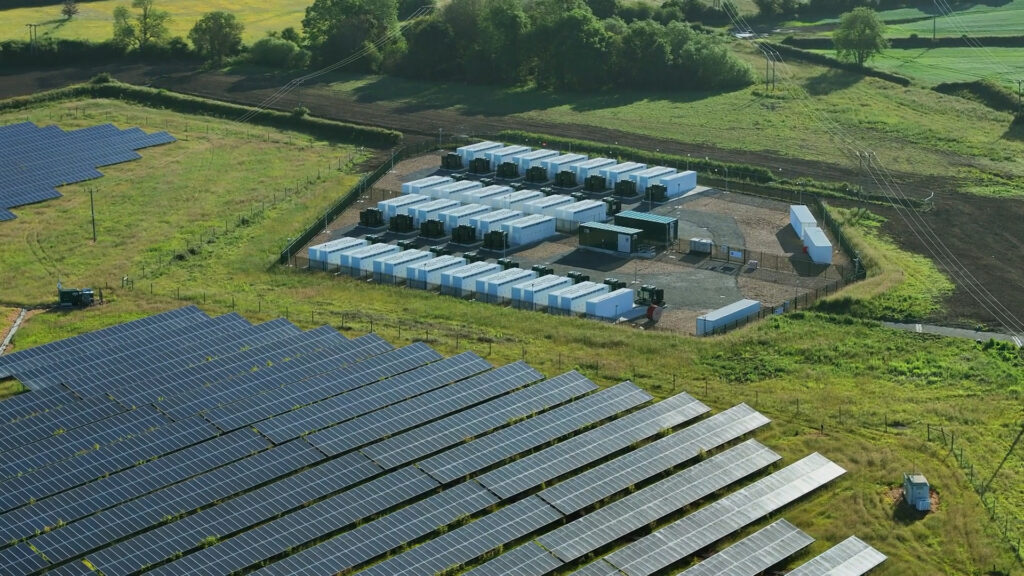
Plummeting costs of solar and battery storage in India along with technological improvements are opening new opportunities for clean and low-cost power generation. Recent energy storage auctions in India reveal record-low prices, with unsubsidized standalone battery storage bids at 2.8 lacs/MW/month and solar+storage bids at 3.1–3.5 INR/kWh.
Doubling the Pace of Deployment of Renewable Energy Capacity in India
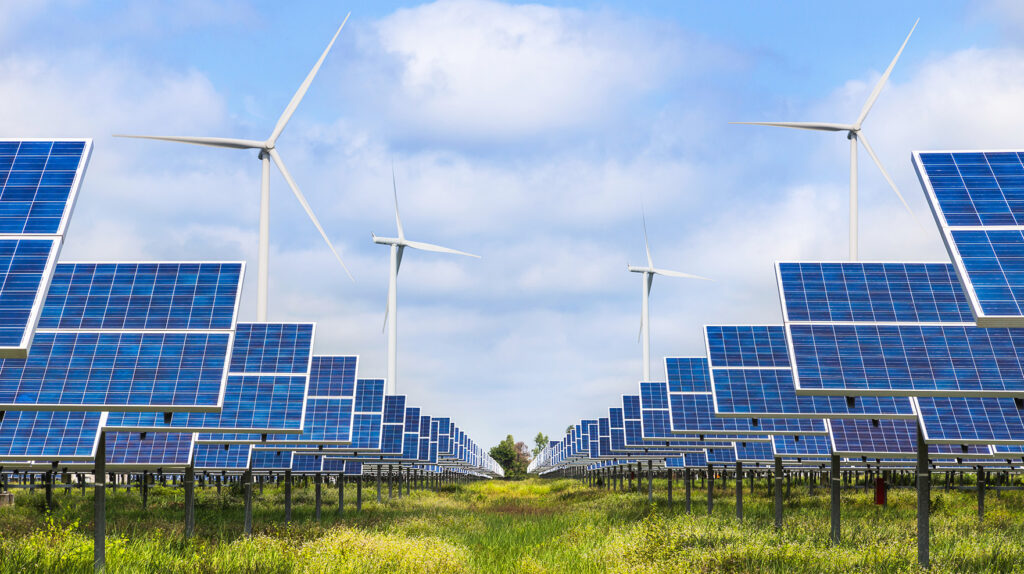
Due to rapid economic growth, urbanization, and industrialization, India’s electricity demand is expected to nearly double in the next decade. The electricity demand in the country has grown at an average of 6-7% in the last three years. 250 GW peak demand was met in May 2024, up from 240 GW in September 2023, and is projected to touch 270 GW in summer 2025.
India Can Avert Power Shortages and Cut Consumer Bills by Requiring More Efficient Air Conditioners
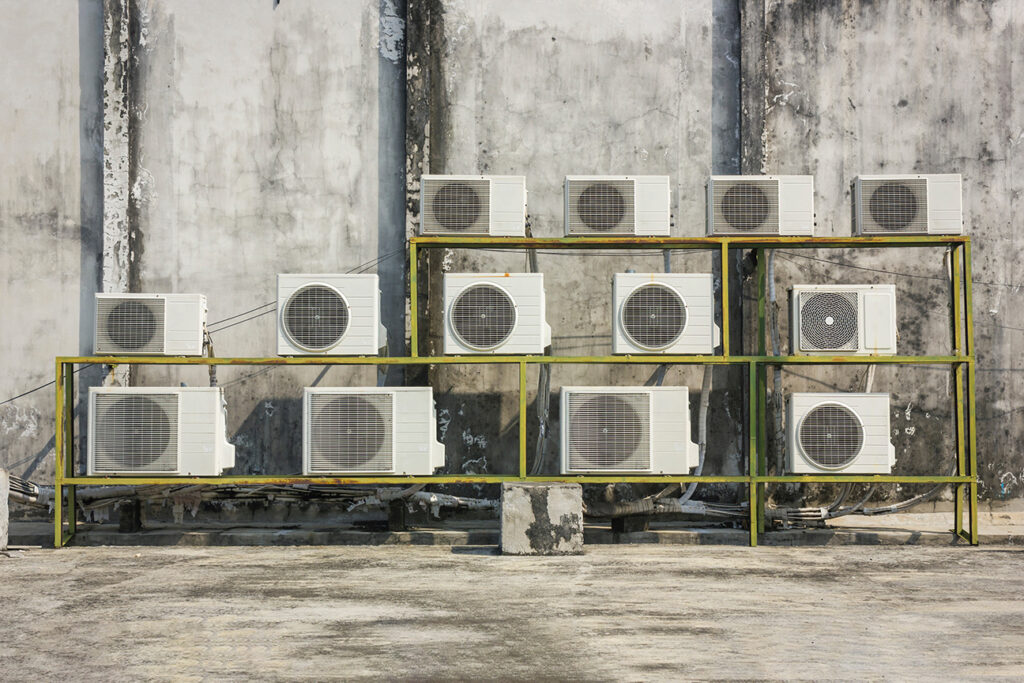
India is experiencing a rapid surge in electricity demand driven by the widespread adoption of room air conditioners (ACs), propelled by rising incomes, urbanization, and increasingly severe heat waves. We estimate that between 2025 and 2035, India will add an additional 130 million new room ACs, and without targeted interventions, room ACs alone could contribute over 180 GW to India’s peak load by 2035, straining the power system and necessitating costly investments in new capacity.